
Public Speaking
Developing ideas, structuring messages, understanding audiences and delivering communication with greater confidence and presence.
Work with me
An important presentation. A message that needs greater clarity. A team that could communicate more effectively. A young speaker learning to express an idea.
Different situations call for different approaches.
I work with individuals, organisations and young people to develop communication skills through practical coaching, training and opportunities to apply what they’ve learnt.
Explore the ways we can work together.
Individual coaching
You don’t necessarily need a ten-week public speaking course.
Sometimes you need somebody to sit beside you, understand what you’re trying to accomplish and help you make the communication work.
Individual coaching is built around the actual communication challenge in front of you.
That could be an upcoming presentation, a keynote, a pitch, a panel appearance, an interview or a recurring difficulty expressing your ideas clearly.
We begin with the message rather than immediately correcting delivery.
Once we understand what you’re trying to communicate and who needs to receive it, we can work on structure, language, storytelling, presence, voice and delivery.
I’m not interested in turning every person I coach into the same speaker.
Some people are naturally animated. Some are quieter. Some are funny. Others communicate with enormous precision.
Different personalities can all communicate powerfully.
The goal is not to manufacture a speaking persona. It’s to help you communicate more effectively as yourself.
Individual coaching is tailored to what you’re preparing for and the support you need.
Some clients come for focused preparation ahead of a particular speaking engagement. Others benefit from working together over several sessions to develop their communication skills more broadly.
We’ll discuss your goals, timeline and experience before recommending a suitable approach. Session duration and fees are confirmed based on the scope of coaching.
Enquire About Individual Coaching →Corporate & institutional training
I don’t believe communication should be taught entirely through a presentation about communication.
People need opportunities to speak, experiment, receive feedback, make adjustments and try again.
Concepts matter, but participants also need to experience what those concepts actually change.
My workshops combine practical communication principles with exercises, discussion, coaching and opportunities to apply what participants are learning.
The aim isn’t for everyone to leave sounding like the trainer.
It’s for participants to understand communication well enough to make better choices for themselves.
Developing ideas, structuring messages, understanding audiences and delivering communication with greater confidence and presence.
Moving beyond information-heavy presentations to create clearer narratives that audiences can understand and follow.
Helping leaders communicate expectations, decisions, feedback and change with greater clarity and audience awareness.
Leadership communication programmes may explore the relationship between intention and impact, communication confidence and effective message delivery.
Not every organisation needs the same workshop with its logo pasted onto the first slide.
Programmes can be developed around participant experience, organisational context, communication challenges, desired outcomes and available training time.
Training can be designed as a focused workshop, a longer facilitated session or a programme delivered across multiple sessions.
The format, duration and content are developed around your audience, learning objectives and organisational needs. Fees are quoted based on the agreed scope.
For schools & youth organisations
Schools · Enrichment · Youth programmesOur job isn’t to teach them to sound like adults.
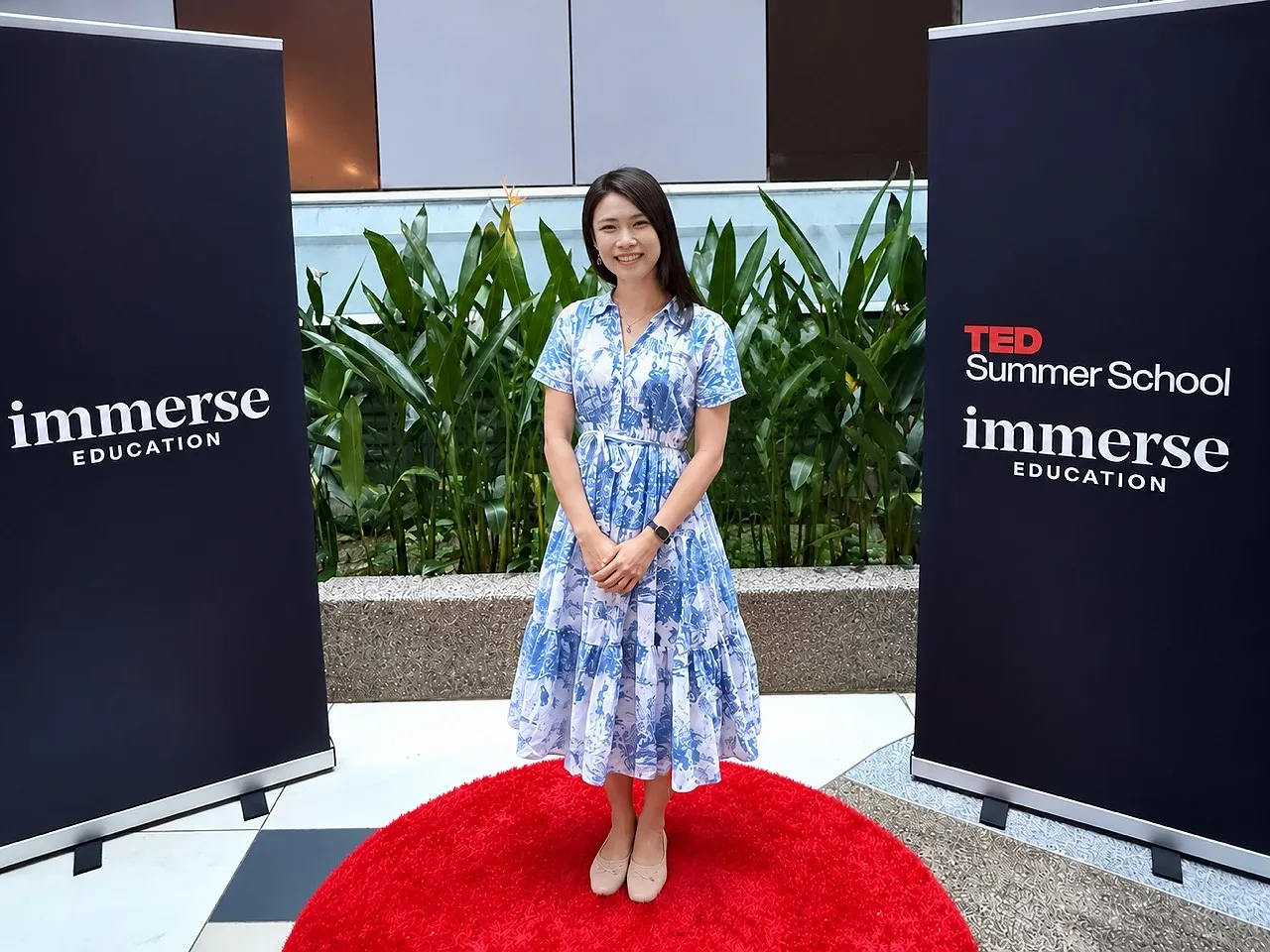
Young speakers need opportunities to develop ideas, articulate them clearly and discover what effective communication feels like.
Children and teenagers can become remarkably polished at performing something they’ve memorised.
But communication asks for something more.
Can they develop an idea and explain why it matters?
Can they adapt when something changes?
Can they connect with the people listening?
Can they receive feedback without losing ownership of what they’re trying to say?
These are communication skills, not simply presentation skills.
Young people need structure without having every word written for them.
They need feedback without somebody taking over their voice.
They need enough psychological safety to experiment, make mistakes and try again.
And they need to experience the difference between simply saying something and genuinely reaching another person.
Bespoke programmes can be developed for schools, enrichment providers and youth organisations.
Discuss a Training Programme →Speaking & facilitation
Sometimes I’m the one holding the microphone.
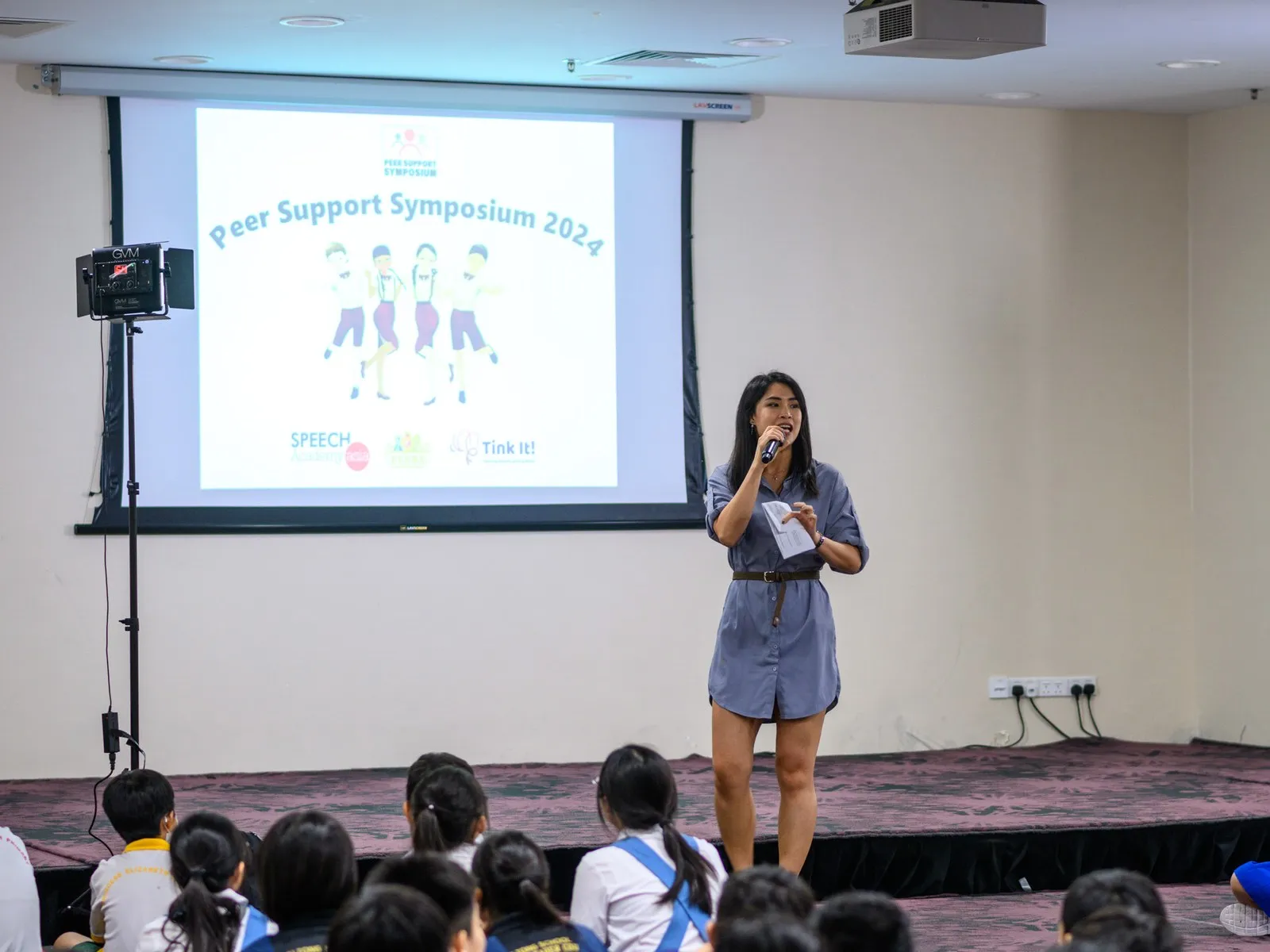
Alongside coaching and training, I’m available for speaking engagements, panel moderation, facilitated conversations and emceeing.
My experience working across different audiences and professional environments informs how I approach each engagement.
Whether I’m delivering a talk or guiding a conversation, the priority remains the same: understanding the audience and creating meaningful communication.
How communication shapes understanding, relationships and engagement.
Developing the ability to express ideas with greater clarity and conviction.
Communicating messages, expectations and ideas in professional environments.
Exploring how experiences, expectations and communication patterns influence understanding.
Specialised preparation
Some engagements require a more focused approach.
This may include interview preparation, media-facing communication, important presentations or other situations where message clarity and delivery are especially important.
We can discuss the context, your objectives and the preparation that would be most useful.
Discuss Your Requirements →Tell me a little about the communication challenge, audience or programme you have in mind. We can work out the most appropriate format from there.
Start a Conversation →